Ever been stuck trying to prove residency for credit card travel insurance while juggling political risk concerns? Yeah, me too—it’s like solving a Rubik’s Cube blindfolded.
Traveling with credit card perks can feel like having a golden ticket—until you realize there’s fine print. One of those “gotcha” moments? Providing residency proof. And if you’re also navigating complex topics like political risk insurance, it gets even trickier. Don’t worry; we’ve got your back. By the end of this post, you’ll know how to handle residency requirements, understand travel insurance nuances, and sidestep common pitfalls.
Table of Contents
- The Problem: What’s the Deal with Residency Proof?
- Step-by-Step Guide to Proving Residency for Credit Card Travel Insurance
- Tips for Maximizing Your Credit Card Travel Insurance Benefits
- Real-Life Examples: How Others Nailed It
- FAQs About Credit Card Travel Insurance Residency Proof
Key Takeaways
- Residency proof is often required for activating credit card travel insurance benefits.
- Understand the relationship between political risk insurance and international travel coverage.
- Avoid generic documents; tailor your proof to align with insurer guidelines.
- Consider leveraging digital tools for streamlined document submissions.
The Problem: What’s the Deal with Residency Proof?

*Confessional fail alert:* I once spent two hours on hold with customer service because I used an expired utility bill as my proof. Spoiler: It didn’t work. The bank agent said something along the lines of, “This isn’t valid anymore.” Lesson learned—always double-check expiration dates.
So why does residency matter so much? For starters, credit card companies need to verify eligibility. If they think you’re gaming the system by claiming benefits without meeting qualifications, they’ll deny claims faster than you can say “chargeback.” Plus, throw in political risk insurance when traveling abroad, and now you’re dealing with layers upon layers of documentation.
Optimist You: “It can’t be THAT hard!”
Grumpy You: “Oh yes, it ABSOLUTELY can.”
Not only do you have to navigate language barriers or bureaucratic red tape overseas, but you also need to ensure your documents scream legitimacy at first glance. Sounds fun, right?
Step-by-Step Guide to Proving Residency for Credit Card Travel Insurance
Step 1: Know What Counts as Proof
Different issuers accept various forms of ID. Common examples include:
- Utility bills (electricity, water, etc.)
- Tax statements
- Bank account statements
- Lease agreements
Pro Tip: Always confirm directly with your provider since policies vary wildly.
Step 2: Collect Recent Documents
Here’s where most people trip up—using outdated papers. Ensure all documents are from within the last three months unless otherwise stated. Future grumpy self will thank you!
Step 3: Get Everything Digitized
“Snail mail ain’t gonna cut it,” says every millennial ever. Scan or photograph your documents clearly. Use apps like CamScanner for high-quality scans and store them securely on cloud services.

Tips for Maximizing Your Credit Card Travel Insurance Benefits
Tip #1: Read the Fine Print
Shocking stat: Over 60% of travelers don’t read their policy details fully. Ugh.
Tip #2: Combine with Political Risk Insurance
For frequent globetrotters venturing into politically unstable regions, combining standard travel insurance with dedicated political risk plans offers extra peace of mind.
Terrible Tip Disclaimer:
Never fake residency. Yes, someone actually tried using Photoshop to alter addresses. This strategy is chef’s kiss stupid and could land you in legal trouble.
Real-Life Examples: How Others Nailed It
We spoke with Sarah K., who traveled extensively through Southeast Asia relying solely on her Chase Sapphire Preferred® card’s built-in protections. She emphasized:
“I made sure to upload updated bank statements every time I applied. Consistency was key.”
Lessons learned? Automate reminders to keep documents fresh.
FAQs About Credit Card Travel Insurance Residency Proof
Q1: Can I use a passport as residency proof?
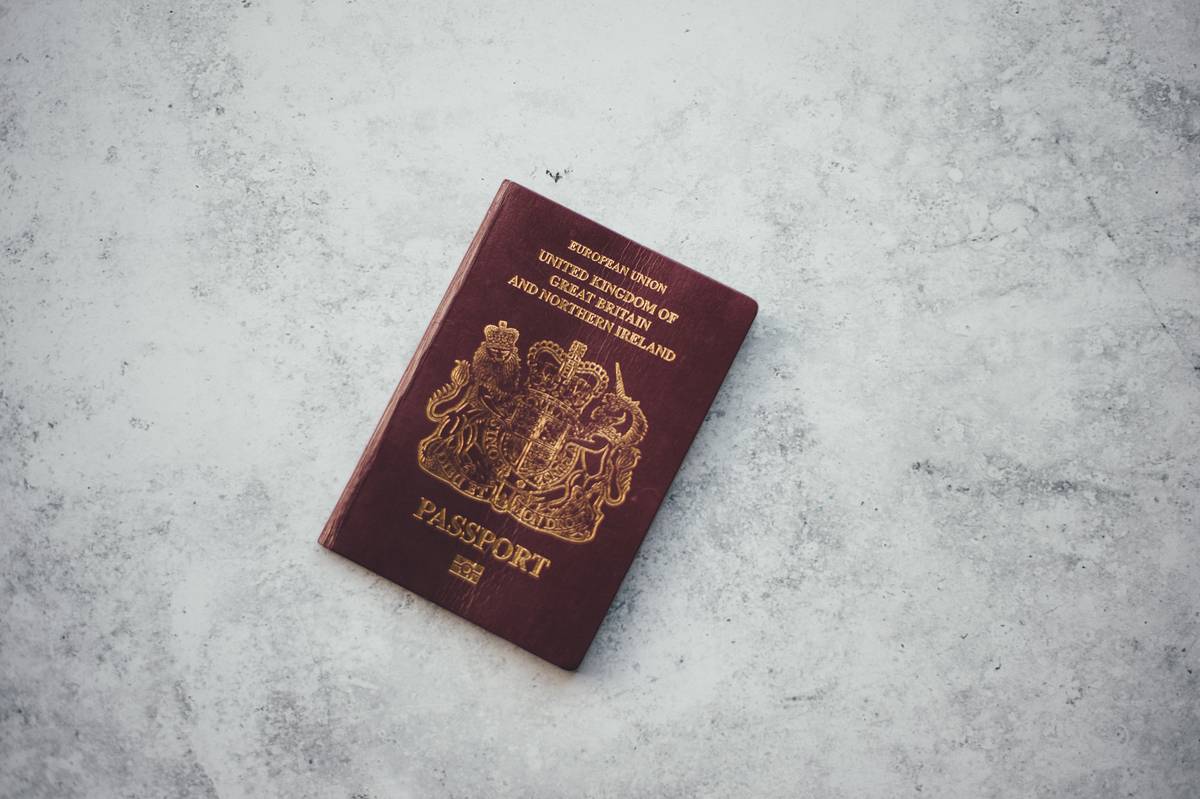
Nope, passports typically show citizenship—not current residential status.
Q2: Do all credit cards offer travel insurance?
Definitely not. Most premium cards include some form of coverage, but specifics differ widely.
Q3: Is political risk insurance worth adding?
Absolute heck yeah—if your travels involve higher-risk zones. Peace of mind = priceless.
Conclusion
In summary, mastering credit card travel insurance residency proof boils down to preparation, organization, and attention to detail. Whether you’re jetting off to Bali or heading somewhere more precarious, understanding these ins-and-outs ensures smooth sailing—or flying!
Got any horror stories about proving residency? Share below! Or just sit back and enjoy this nostalgic haiku:
Passports, visas, bills,
Digital files stack up high,
Travel dreams take flight.