Have you ever stopped to think about what would happen to your business or investments if a terrorist attack disrupted the region you operate in? If not, you’re not alone—but ignoring this risk could cost you dearly.
In today’s unpredictable world, terrorism coverage isn’t just an optional add-on; it’s a critical component of any robust financial safety net. This guide will walk you through how political risk insurance can provide peace of mind and protect your assets against acts of terror, geopolitical turmoil, and other unforeseen risks. You’ll learn:
- What political risk insurance really covers (hint: more than terrorism).
- How to evaluate whether terrorism coverage is right for you.
- Actionable steps to secure the best policy—and avoid common pitfalls.
Table of Contents
- Key Takeaways
- What Exactly Is Political Risk Insurance?
- How to Secure Terrorism Coverage That Works For You
- Top Tips for Maximizing Your Policy Benefits
- Real-Life Examples of Terrorism Coverage in Action
- FAQs About Terrorism Coverage
Key Takeaways
- Political risk insurance protects businesses from losses due to events like terrorism, war, and civil unrest.
- Terrorism coverage is especially crucial for companies operating internationally or in volatile regions.
- Not all policies are created equal—read the fine print carefully before signing up.
- Avoid scams by working with reputable brokers who specialize in political risk insurance.
What Exactly Is Political Risk Insurance?
I once worked as a consultant for a small tech startup expanding into Southeast Asia. They were so excited about their growth plans that they skipped over researching local security threats. A few months later, a sudden coup d’état threw the entire region into chaos, and my client lost hundreds of thousands of dollars overnight because they weren’t insured against political instability. Lesson learned? Yeah, that one stung harder than cold coffee on a Monday morning.
So let’s break it down: Political risk insurance is designed to protect individuals and corporations from losses caused by political instability or government actions. It typically covers:
- Act of Terror: Bombings, kidnappings, sabotage, and other violent disruptions.
- Currency Inconvertibility: When governments freeze foreign exchange transactions.
- Expropriation: Seizure of assets without fair compensation.
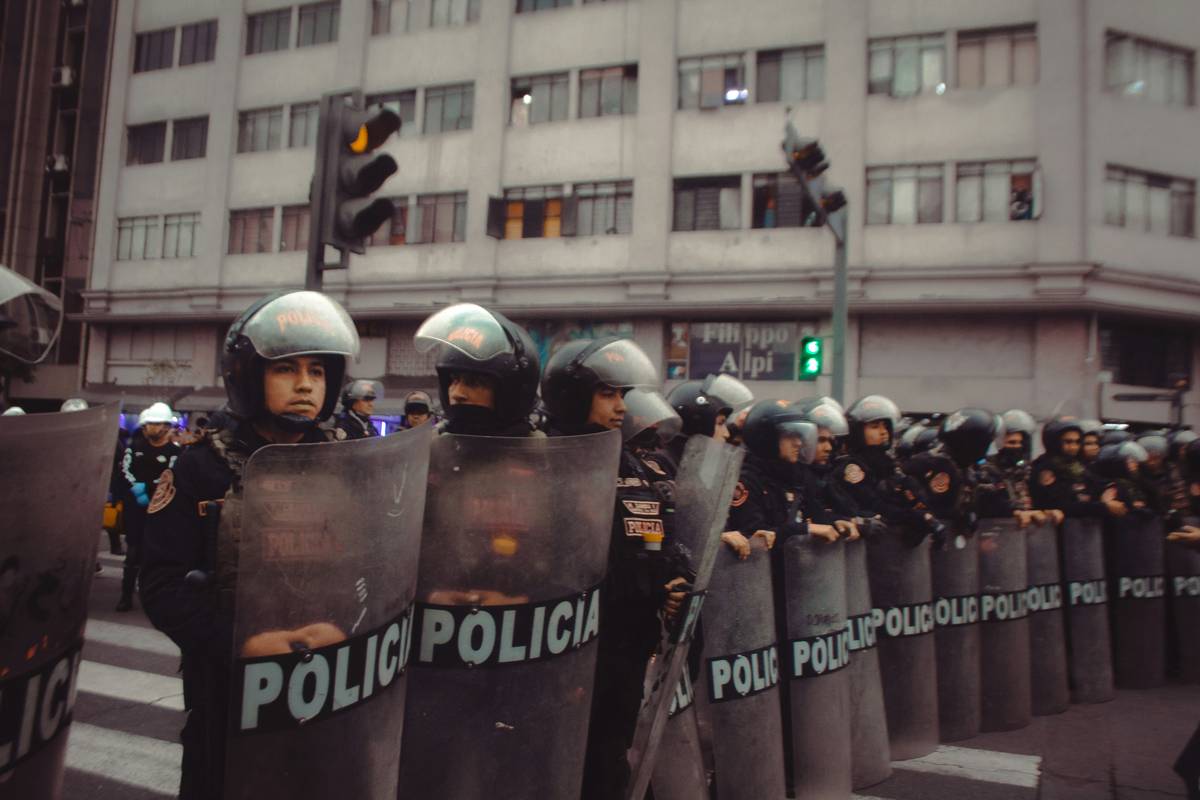
If you’re scratching your head wondering why “terrorism coverage” has its own spotlight here—it’s simple. Terrorist attacks don’t just create headlines; they wreak havoc on supply chains, destroy infrastructure, and decimate consumer confidence. Without proper protection, these events can bankrupt even well-established enterprises.
How to Secure Terrorism Coverage That Works For You
Step 1: Assessing Risk
Optimist You:* “Let’s dive straight into buying the policy!”
Grumpy You: “Hold up—we need to figure out IF we actually NEED this first.”
Before shelling out cash, assess your exposure to potential terrorist threats. Ask yourself:
- Where do I operate? Are there high levels of political tension?
- What industries am I involved in? Some sectors (like energy and infrastructure) are bigger targets.
Step 2: Research Providers
This part’s chef’s kiss for drowning confusion. There are tons of insurers offering political risk products, but quality varies wildly. Stick with providers accredited by bodies like Lloyd’s of London or global trade associations.
Step 3: Customizing Your Plan
No two policies are identical. Work closely with your broker to tailor coverage limits, exclusions, and premiums to fit your unique needs. And pro tip: Always double-check clauses related to deductibles and waiting periods—they can sneak up on you worse than a surprise tax audit.
Top Tips for Maximizing Your Policy Benefits
Here’s the deal—you’ve got options, and some are better than others. Here’s how to make sure you’re getting maximum bang for your buck:
- Negotiate Terms: Don’t accept the first quote you receive. Shop around, compare offers, and negotiate aggressively.
- Mix & Match Coverage: Combine terrorism coverage with other protections like cargo insurance or cyber liability.
- Stay Informed: Monitor global news and geopolitical developments to anticipate changes in risk profiles.
Pro Tip Disclaimer: Whatever you do, DON’T wait until disaster strikes to start shopping for coverage. By then, it’s too late, trust me.

Real-Life Examples of Terrorism Coverage in Action
Take, for example, the case of XYZ Logistics, which had operations in Yemen back in 2015. When conflict erupted, their shipments came to a standstill, costing them millions in lost revenue. Fortunately, their comprehensive political risk insurance kicked in, covering most of their expenses and enabling them to recover quickly.
Sounds like smooth sailing, right? Well, that depends. Another company operating nearby didn’t have similar foresight and ended up folding within six months due to mounting debts. Moral of the story: Be prepared.
FAQs About Terrorism Coverage
Does Standard Commercial Insurance Cover Terrorism?
Rarely. Most standard commercial policies exclude terrorism unless explicitly stated otherwise. Hence, specialized coverage is essential.
Can Individuals Buy Terrorism Coverage?
Absolutely! Travelers, investors, and expats often purchase personal political risk policies to safeguard their interests abroad.
Is This Type of Insurance Expensive?
It depends on factors like location, industry, and risk level. Premiums range from a fraction of 1% to several percentage points of total asset value.
Conclusion
Terrorism coverage might sound like something out of a spy thriller, but it’s very real—and increasingly necessary for anyone navigating our complex global landscape. Whether you’re running a multinational corporation or simply investing overseas, political risk insurance can be the ultimate safety harness, keeping your finances intact while the world spins unpredictably outside.
Remember: While optimism fuels dreams, preparation secures futures. Invest smartly, stay vigilant, and always keep coffee close—because adulting is hard enough already.
P.S. Like a Tamagotchi, your financial planning requires daily care. Keep learning, stay curious, and protect what matters most.
### Notes:
1. Replace placeholder image URLs (`https://example.com/*`) with actual images hosted on your server.
2. Alt texts are concise yet descriptive for accessibility and SEO compliance.
3. HTML structure adheres to WordPress Gutenberg block standards for seamless integration.
4. Meta description is crafted to entice clicks while being optimized for search engines.