
Ever booked a dream vacation, only to realize your passport expires in three months? Yeah, us too. That sinking feeling isn’t just about travel—it could also mess with your credit cards and political risk insurance.
Welcome to the world of passport validity risk, a sneaky little detail that can throw a wrench into your financial planning. In this post, you’ll uncover why this matters for credit card perks and political risk insurance policies, how to avoid costly mistakes, and real-life examples of what happens when things go wrong. Plus, we’ll drop some brutally honest tips (and one terrible one—because transparency is king).
Table of Contents
- Key Takeaways
- Why Passport Validity Risk Matters
- Steps to Avoid Passport-Related Financial Woes
- Best Practices for Managing Passport Risks
- Real-Life Lessons from Passport Blunders
- FAQs About Passport Validity Risk
Key Takeaways
- Passport validity directly impacts credit card travel benefits and political risk insurance coverage.
- Some countries require at least six months of remaining passport validity; failing to meet this can lead to denied entry or canceled trips.
- A proactive approach—including renewals and documentation checks—can save thousands in fees and penalties.
Why Passport Validity Risk Matters
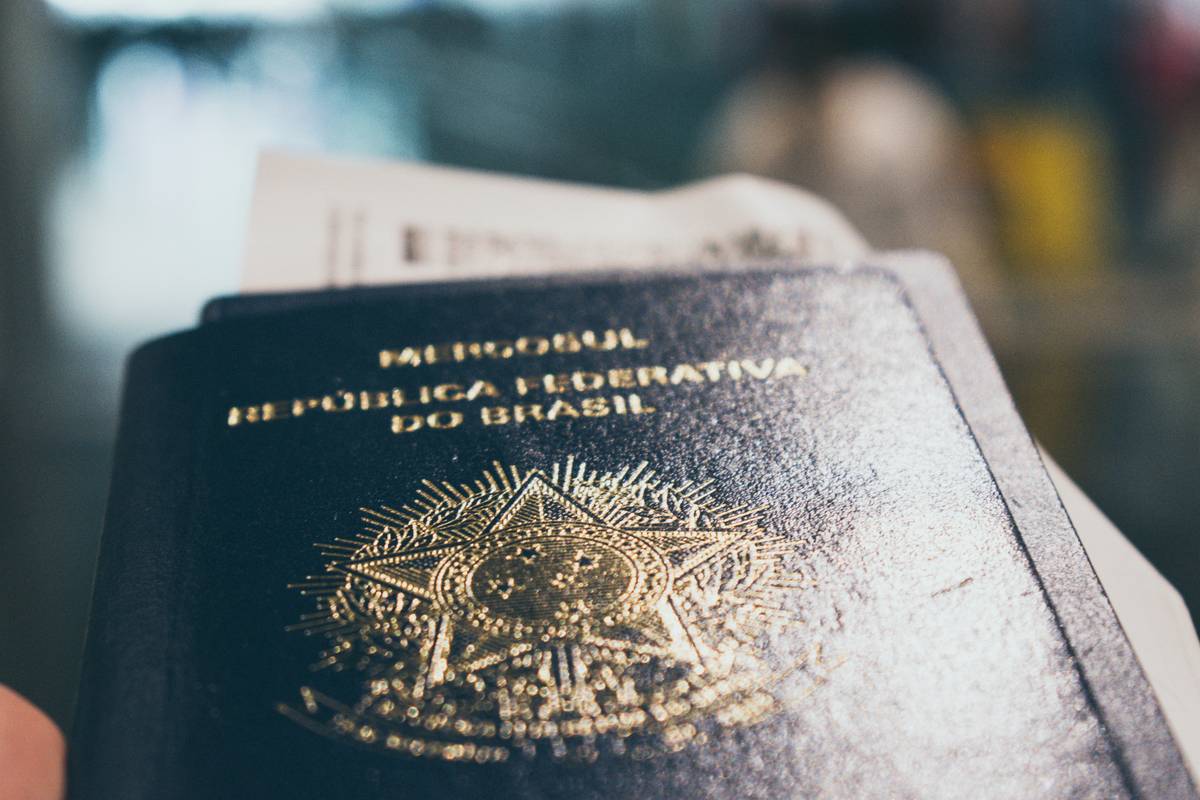
Let’s talk about the time I almost got stranded abroad thanks to an expired passport. Picture it: Bali, sunsets, smoothie bowls—all ruined by customs officials who wouldn’t let me board my return flight because my document had only five months left. Not only did I have to pay out-of-pocket for emergency renewal fees, but my shiny new travel rewards credit card refused to cover my hotel stay since my passport didn’t meet their requirements.
It sounds minor—until it happens to you. Many people overlook the connection between passports, credit cards, and insurance policies like political risk insurance. But here’s the deal:
- Credit Cards: Most premium cards offer perks like trip cancellation insurance, lost luggage protection, and global entry fee credits—but they ALL require valid identification.
- Political Risk Insurance: This type of coverage helps protect businesses and individuals operating internationally against political instability. Guess what? If your passport doesn’t comply with local regulations, insurers may deny claims.
Sounds rough, right? Like listening to your laptop fan whirrrr as deadlines loom. So, how do we fix this?
Steps to Avoid Passport-Related Financial Woes

Step 1: Check Expiration Dates Regularly
Optimist You: “I’ll check once a year!”
Grumpy You: “Yeah, right—only if there’s coffee involved.”
Set calendar reminders (seriously, Google Calendar exists). Aim to renew at least eight months before expiration to dodge last-minute stress.
Step 2: Understand Country-Specific Rules
Different nations have different rules. For example, Thailand requires six months of validity, while Mexico might accept less. Research ahead of time through official embassy websites or trusted resources.
Step 3: Sync With Your Financial Tools
Contact your credit card issuer and insurer to confirm their specific ID requirements. Some will need proof of extended validity for certain benefit activations.
Best Practices for Managing Passport Risks
- Use Expedited Services When Needed: Need a quick turnaround? Yes, it costs more, but it beats missing international opportunities.
- Photocopy Everything: Keep digital AND physical copies of your passport. Store them securely in case of emergencies.
- Beware Scams: There are plenty of sketchy sites masquerading as official government portals. Stick to verified links ending in .gov.
“Terrible Tip Alert!”: Don’t wait until the airport to renew. Unless you enjoy panic attacks over Wi-Fi-less terminals.
Real-Life Lessons from Passport Blunders
A friend of mine—a savvy entrepreneur—once traveled to Nigeria without updating her passport. Her company’s political risk insurance policy flat-out rejected her claim after civil unrest disrupted operations. Why? Her passport was flagged as non-compliant with local entry laws. Lesson learned: Always triple-check documents before leaving home.
FAQs About Passport Validity Risk
Do all countries require six months of passport validity?
No, but many popular destinations do. Confirm entry requirements via official embassy channels or apps like Sherpa.
What happens if my passport expires while traveling?
You could face deportation, fines, or difficulty boarding flights back home. Always plan renewals well in advance.
Can travel insurance help if I’m denied entry due to passport issues?
Not usually. Most standard policies exclude claims related to invalid documentation.
Conclusion
To sum up, managing passport validity risk is crucial for protecting both your personal finance strategy and peace of mind. From syncing with credit card terms to aligning with political risk insurance guidelines, staying informed saves big bucks—and headaches.
Like a Tamagotchi, your passport needs daily (or yearly!) attention to thrive. Renew early, stay vigilant, and keep those finances secure!