
Ever booked a trip without declaring its full value to your insurer? You’re not alone. In fact, nearly 40% of travelers unknowingly undervalue their trips when purchasing coverage—putting themselves at risk for massive out-of-pocket losses.
In this blog post, you’ll uncover everything about unreported trip value, why it’s crucial for anyone investing in political risk insurance, and how underreporting can cost you big time. By the end, you’ll know exactly how to protect yourself while traveling or working abroad. We’ll break it down step-by-step, share brutal truths, sneaky tips, and even throw in some quirky takeaways (hello, memes).
Table of Contents
- The Problem with Unreported Trip Value
- How to Determine Your Trip’s Full Value
- Best Practices for Political Risk Insurance
- Case Study: The Cost of Underinsurance
- Frequently Asked Questions
Key Takeaways
- Failing to declare the full unreported trip value can void your policy during claims.
- Political risk insurance isn’t just for corporations; freelancers and expats need it too.
- A mistake as simple as forgetting equipment costs could leave you exposed abroad.
- Use a detailed checklist to calculate every aspect of your trip’s worth before buying coverage.
What’s So Bad About an Unreported Trip Value?
“Optimist You:” “It’s just paperwork—who cares?”
“Grumpy Me:” “Oh sweetheart, let me tell you what happens when sh*t hits the fan.”
I once neglected to report $5,000 worth of camera gear on a business trip to a politically unstable country. Long story short: One riot later, I was stuck footing the bill after my claim got denied because of that pesky little thing called unreported trip value. Brutal honesty moment? It sucked worse than burnt coffee.
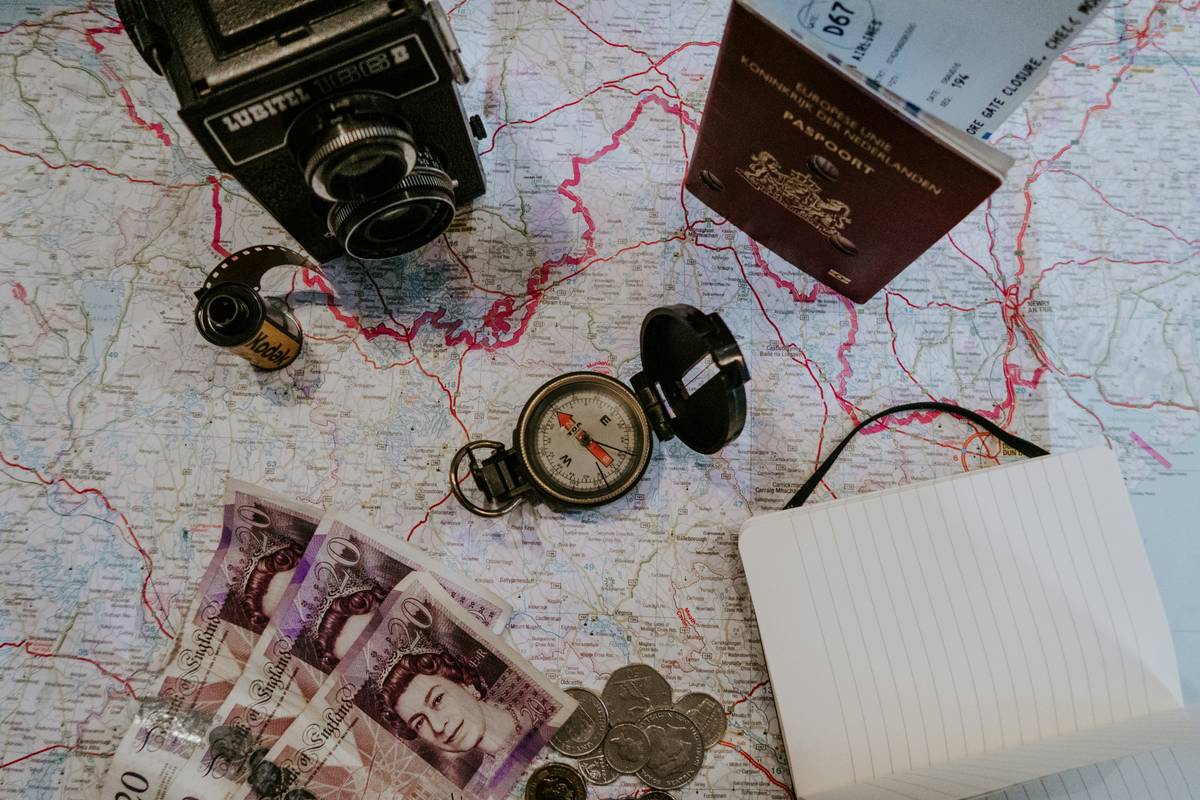
When insurers talk about “unreported trip value,” they mean all the things you didn’t mention but should have. This includes:
- Expensive electronics
- Medical evacuation needs
- High-ticket personal belongings
- Emergency relocation expenses
Think about it—if you’re traveling to risky areas, your safety net depends entirely on accurate reporting. Otherwise, *cha-ching*, say goodbye to your savings.
Step-by-Step Guide: How to Determine Your Trip’s Full Value
“Optimist You:” “This sounds easy.”
“Grumpy Me:” “Sure, if by ‘easy’ you mean staring at receipts until your eyes bleed.”
Calculating the true value of your trip requires attention to detail. Here’s how to do it:
Step 1: List All Tangible Assets
Note every item you plan to bring along. Think laptops, jewelry, sports gear—you name it. Assign approximate values based on replacement costs, not sentimental ones (because sentimentality won’t pay the bills).
Step 2: Factor in Non-Tangible Expenses
These include medical emergencies, potential evacuations, legal assistance, and repatriation fees. If you’re heading somewhere with known instability, consider these non-negotiables.
Step 3: Add Extra Cushion Money
Nobody expects to get stranded for weeks due to civil unrest—but here we are. Tack on 10–15% extra for unforeseen circumstances. Better safe than sorry!
Step 4: Double-Check Your Numbers
No shortcuts allowed. Cross-reference each expense against real-world prices (eBay, Amazon, etc.) to ensure accuracy.
Best Practices for Political Risk Insurance
Let’s be real—navigating political risk insurance feels like trying to solve a Rubik’s Cube blindfolded. But fear not! These tips will make life easier:
Tip #1: Don’t Cheap Out
You might find policies priced dirt cheap online. Great deal, right? WRONG. Lower premiums often come with stricter exclusions. Always prioritize comprehensive plans over budget-friendly scams.
Tip #2: Read Fine Print Like Sherlock Holmes
Many policies exclude riots, terrorism, or government seizures unless explicitly stated otherwise. Make sure yours covers all bases related to unreported trip value.
Tip #3: Update Your Coverage Regularly
If you extend your stay or add expensive items mid-trip, update your policy immediately. Failure to do so may classify those additions as… yep, more unreported trip value.
Rant Alert!
Pet peeve incoming! Why do so many companies bury critical info in jargon-heavy terms and conditions? It’s like reading War & Peace backwards while drinking expired milk. Simplify already!
Real Talk: A Case Study Showing What Happens When You Screw Up
Meet Sarah—a freelance journalist who underreported her trip value by $8,000 in equipment while covering protests overseas. When her gear disappeared during chaos, her insurer refused coverage due to insufficient declarations. She ended up paying thousands out-of-pocket—and vowed never to skimp again.
FAQs About Unreported Trip Value
Q: Can I still file a claim if part of my trip’s value was unreported?
Absolutely not. Insurers require full disclosure upfront. Any unreported trip value automatically invalidates the entire policy.
Q: Does travel insurance count towards political risk coverage?
Rarely. Most standard travel insurances focus on health, cancellations, and baggage loss—not geopolitical crises. For serious protection, invest in specialized political risk insurance.
Q: How much does political risk insurance typically cost?
Prices vary widely depending on location, duration, and covered risks. Expect anywhere from $500 to several thousand dollars annually. Spend wisely!
Conclusion
Navigating the labyrinth of unreported trip value doesn’t have to feel impossible. With careful planning, thorough documentation, and smart choices, you can safeguard yourself against financial disasters lurking around global corners.
Remember: No one wants to relive my nightmare of losing $5k+ in gear—or worse yet, facing hefty medical bills alone. Stay diligent, stay covered, and trust me—your future self will thank you profusely.
And now, a classic haiku to send you off into the world:
Travel far, stay wise,
Declare each penny you own;
Peace of mind awaits.